LTK vs Linktree is a comparison that mixes up two different things. LTK (formerly LikeToKnowIt) is an affiliate shopping platform where creators earn commission on products their followers buy, with its own consumer app and a follower requirement to join. Linktree is an open link hub anyone can use to share links from a social bio.
They are not really competitors. Plenty of creators use both: LTK to earn affiliate income, and a link page to point followers at their LTK plus everything else. This breaks down what each actually does, LTK's entry requirements, and how they fit together.
TL;DR
- LTK is an affiliate marketing network and shopping app. Creators post shoppable product links and earn commission (around 10% to 30%) on sales.
- Linktree is a link-in-bio hub: a page of links anyone can set up in minutes, with no follower requirement.
- LTK has a gate: you generally need an engaged audience of at least 5,000 followers and regular brand-tagging content to be accepted.
- They are complementary, not rival. Many creators link to their LTK shop from a link-in-bio page.
- For a free, open link page (no follower gate) that can route to your LTK and everything else, Shelfy works well.
Quick comparison
| LTK | Linktree | |
|---|---|---|
| What it is | Affiliate shopping platform | Link-in-bio hub |
| Main goal | Earn affiliate commission | Route traffic to links |
| Entry requirement | ~5K followers, application | None, open to all |
| Own consumer app | Yes (~20M monthly users) | No |
| How you earn | Commission on sales (10 to 30%) | Not a commission network |
| Setup | Apply and get approved | Two-minute signup |
| Best for | Fashion/lifestyle affiliate creators | Everyone |
What LTK actually is
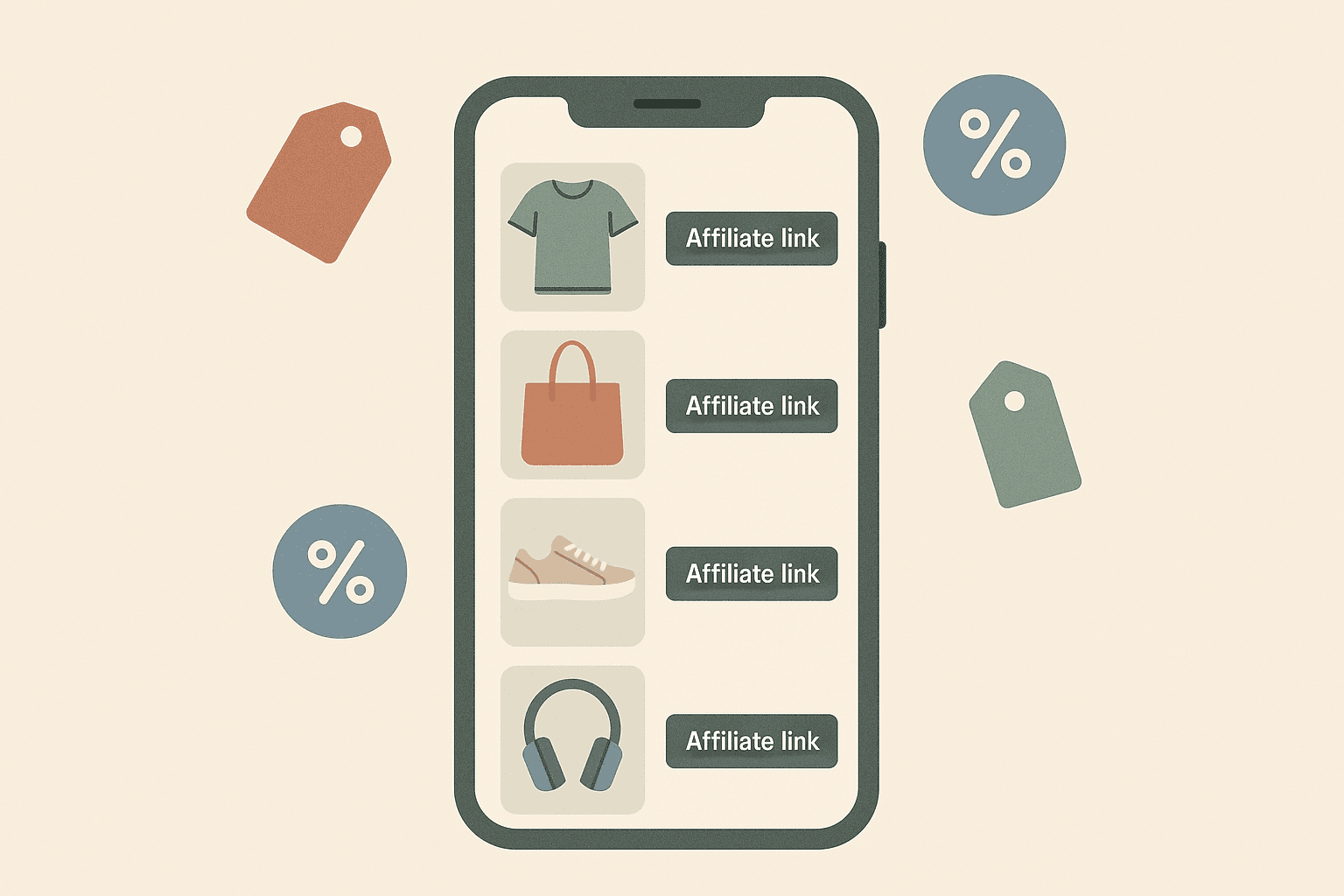
LTK pioneered making social posts shoppable. It is a full affiliate platform and consumer app, not a link page:
- Affiliate commissions. When a follower clicks your LTK link and buys, you earn commission. Rates average 10% to 25% and can reach 30%, set by each retailer (the average brand rate is around 16%).
- Cookie-based tracking. A click sets a cookie (typically 7 to 30 days), and you earn on qualifying purchases at that retailer within the window, even on items you did not directly link.
- A huge retailer network. LTK connects creators with thousands of retail partners, from big-box stores to luxury fashion.
- Its own shopping app. LTK has a dedicated consumer app with roughly 20 million monthly users who browse creator content to shop.
- Payouts. Once you pass $100 in closed commissions, LTK pays via PayPal on a regular schedule.
This is a monetization business, not a link-management tool.
LTK's entry requirement (the gate)
Here is the Information Gain that reframes the whole comparison: you cannot just sign up for LTK the way you sign up for Linktree.
LTK looks for creators with an engaged, growing audience of at least 5,000 followers on a public social profile, who post quality content at least a couple of times a week tagging brands and products. You apply, and you get approved or not.
That gate means LTK is simply not an option for most people, especially newer creators. Linktree, by contrast, is open to everyone with no follower minimum. So for a large share of "LTK vs Linktree" searchers, the honest answer is that only one of the two is even available to them right now.
What Linktree is (and its new commerce angle)
Linktree is the open, general-purpose link hub:
- No requirements. Anyone can create a page in minutes.
- Routes traffic anywhere. Links to your socials, content, shop, and yes, your LTK profile.
- Link management. Analytics, custom branding, and easy setup.
- A commerce push. Linktree has expanded into social commerce with shoppable storefront features, but it remains a link hub at its core, not an affiliate network with its own shopping audience.
If your need is to centralize and route links, Linktree (or any link-in-bio tool) does that. It does not replace an affiliate network like LTK.
They are complementary, not rivals
The practical reality most comparisons miss: creators frequently use both.
- LTK earns the affiliate income from fashion and lifestyle product recommendations.
- A link-in-bio page sits in the social bio and routes followers to the LTK shop, plus the newsletter, the YouTube channel, the other socials, and everything else.
So "LTK vs Linktree" is often not a choice at all. You use LTK to monetize and a link page to organize. The only real question for the link page is which one, and whether you should pay for it.
The free link layer (open to everyone, routes to your LTK)
Since the link-in-bio page is the part you actually choose, and LTK has a follower gate that a link page does not, the smart move is an open, free link page that routes to your LTK and everything else.
Shelfy is that open link layer, free:
| Feature | LTK | Linktree | Shelfy |
|---|---|---|---|
| Open to all (no follower gate) | No (~5K) | Yes | Yes |
| Affiliate network / commissions | Yes | No | No |
| Custom domain | No | $15/mo | Free |
| Advanced analytics | App-based | $15/mo | Free |
| Multiple pages | No | No | Free |
| Price | Free (you earn) | $0 to $35/mo | $0 |
Be clear on the trade: Shelfy is not an affiliate network. It does not earn you commissions the way LTK does, and it does not replace LTK for monetization. What it gives you is a free, open page with a custom domain that links to your LTK shop, your affiliate posts, and the rest of your presence, with no follower requirement and no subscription. See link in bio for affiliate marketers, Komi vs Linktree for another commerce angle, and the best Linktree alternatives.
Build a free link page that routes to your LTK →
Which should you choose?
- You want to earn affiliate commission on fashion/lifestyle products and have 5K+ followers: LTK. Nothing here replaces it for that.
- You need a link page to organize and route traffic: Linktree or a free link hub. This is separate from LTK.
- You are under LTK's follower gate: use an open link page now; apply to LTK once you qualify.
- You use LTK already: add a free link page that points to your LTK shop plus everything else.
Frequently Asked Questions
Is LTK better than Linktree?
They do different jobs, so neither is strictly better. LTK is an affiliate platform that earns you commission on product sales and has its own shopping app, but it requires roughly 5,000 followers to join. Linktree is an open link hub for routing traffic, with no requirements. Many creators use both together.
What is the difference between LTK and Linktree?
LTK (LikeToKnowIt) is an affiliate marketing network and shopping app where creators earn commission on sales. Linktree is a link-in-bio tool that organizes and routes links from a social bio. One monetizes through affiliate commissions; the other manages links.
Do you need followers to join LTK?
Yes. LTK generally requires an engaged, growing audience of at least 5,000 followers on a public profile, plus regular content tagging brands and products. It is application-based. Linktree, by contrast, is open to everyone with no follower minimum.
Can I use LTK and Linktree together?
Yes, and many creators do. Use LTK to earn affiliate income, and a link-in-bio page to route followers to your LTK shop plus your other links. They are complementary, not competing tools.
Is there a free link page to use with LTK?
Yes. A free, open tool like Shelfy gives you a link page with a custom domain and analytics at no cost and no follower gate. It is not an affiliate network, so it does not replace LTK, but it links to your LTK shop and everything else for free.
Related Reading
- Link in Bio for Affiliate Marketers
- Komi vs Linktree
- Shelfy vs Linktree
- The Best Linktree Alternatives (2026)
- Free Link in Bio Tools: What's Actually Free
- The Best Link in Bio Tool (2026)
Last updated: June 2026. LTK (formerly LikeToKnowIt) is an affiliate shopping platform requiring roughly 5,000 followers to join, with commissions around 10 to 30%. Linktree is an open link hub; pricing reflects the November 2025 increase ($8 to $35/mo).